Agar Processing Enzyme Supplier for Controlled Extraction
Agar extraction is not a place for loose enzyme selection. A useful enzyme program has to improve plant-floor performance without creating problems in gel strength, color, filtration, or final ingredient consistency.
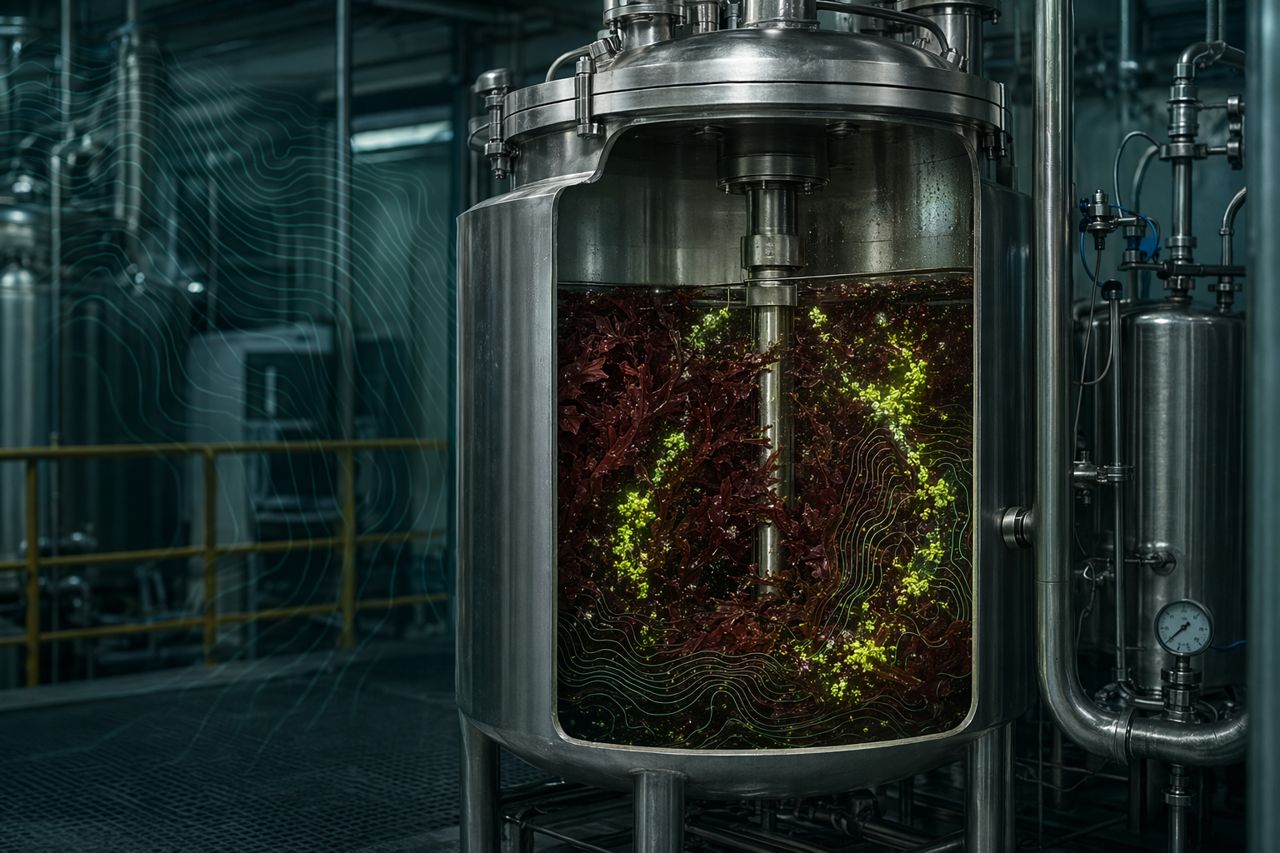
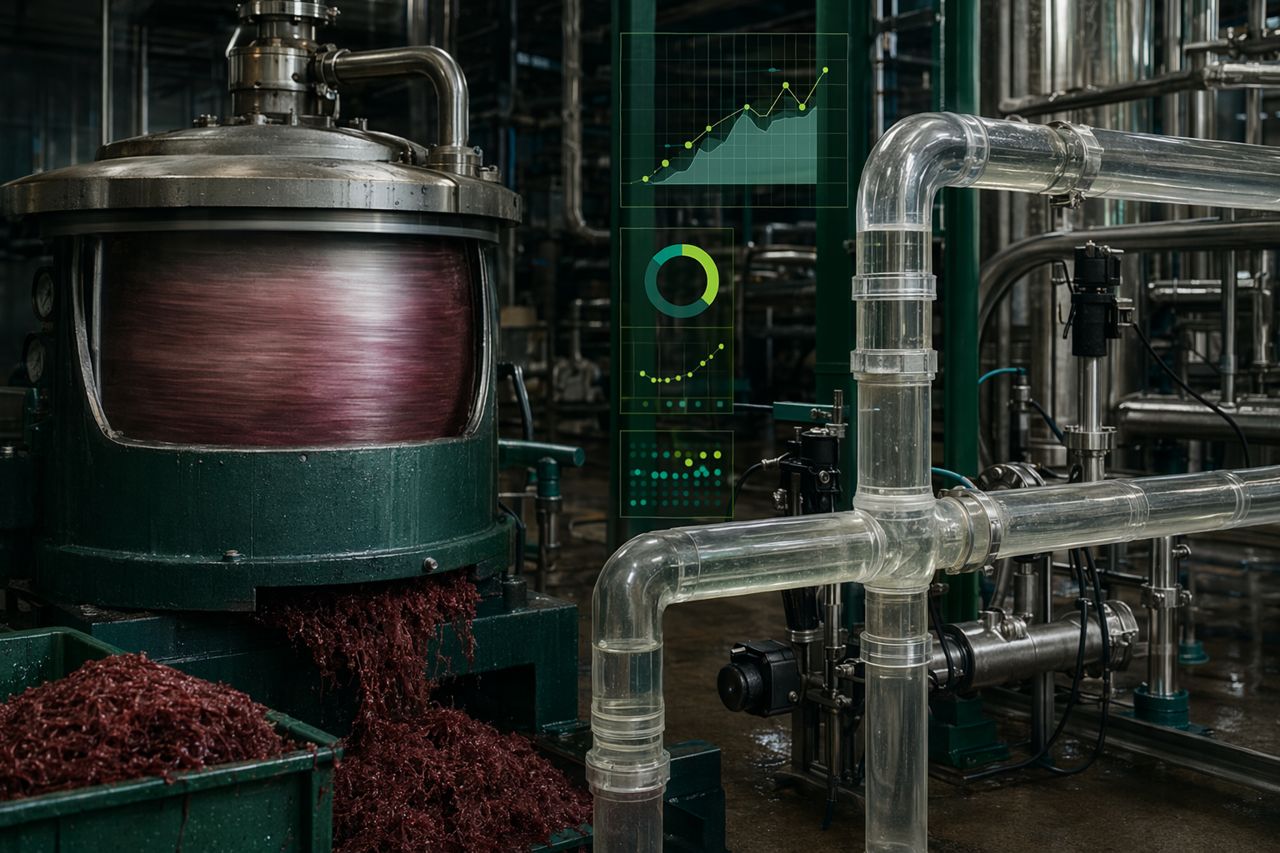
Thalrix supports agar processors with enzyme solutions designed to be tested carefully around real production constraints: raw seaweed variability, alkali treatment, cook profile, liquor viscosity, screen loading, centrifuge behavior, press cake release, and drying performance.
If you need an enzyme supplier for seaweed processing that understands the risk around agar quality, Thalrix helps you evaluate enzyme candidates as controlled extraction tools—not as generic processing aids.
Where Enzymes Can Support Agar Production
In agar plants, the commercial value is usually found in better control across the extraction line. Enzymes may be evaluated to help loosen the seaweed matrix, reduce non-target viscosity, improve separation, and support more predictable soluble recovery.
Common processing goals include:
- Improved release of soluble agar-rich fractions from red seaweed biomass
- Lower liquor viscosity before filtration or centrifugation
- Reduced screen blinding and filter load
- Cleaner separation between liquid extract and spent solids
- More consistent press cake handling
- Better process stability when raw seaweed quality shifts
- Support for yield improvement without sacrificing gel specification
The priority is selectivity. A trial should open the biomass and improve flow behavior while protecting the functionality that makes agar valuable.
Built Around Gel Strength, Color, and Filtration Load
Agar processors cannot judge an enzyme only by extraction yield. A higher yield is not a win if the liquor is darker, filtration slows down, or the finished agar misses gel targets.
Thalrix helps structure trials around the quality points that matter to extraction managers and commercial teams:
Gel Strength Protection
The enzyme approach should be screened to support extraction without over-processing the agar fraction. Trial readouts should include finished gel performance, not just liquor recovery.
Color and Clarity Management
Enzyme-assisted extraction can change how pigments, proteins, and fine solids move through the process. Thalrix helps plants evaluate whether the treatment supports cleaner liquor and stable color expectations.
Filtration and Solids Handling
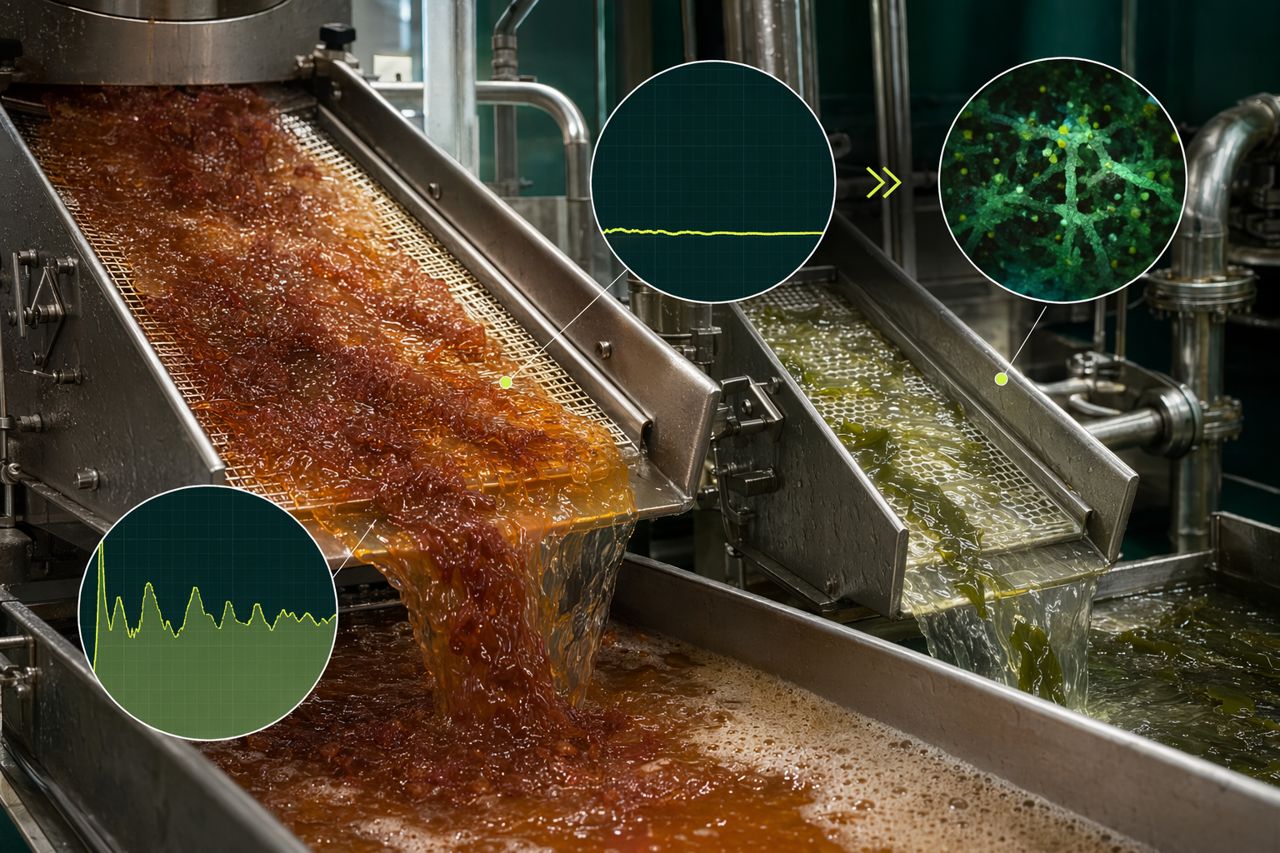
Viscosity and suspended solids behavior affect screens, filters, centrifuges, presses, and downstream concentration. The right enzyme program should be judged by smoother flow, less blinding, and more predictable solids discharge.
Yield With Specification Control
The goal is not maximum breakdown. The goal is commercially useful recovery inside a specification window your customers can trust.
Practical Trial Support for Agar Plants
Thalrix works with processors that need a disciplined trial path before making production changes. We help define where an enzyme fits in the line, how it should be introduced, and what plant-floor indicators should be tracked.
Typical trial planning considers:
- Seaweed species and blend, including Gracilaria, Gelidium, or mixed red seaweed streams
- Pre-treatment and alkali process conditions
- Extraction temperature profile and hold time
- Liquor viscosity and pumpability
- Filtration, screening, centrifugation, or pressing constraints
- Color, clarity, and insoluble carryover
- Final agar gel specification and customer requirements
- Cleaning burden and changeover practicality
This approach gives your team a clearer decision: continue, adjust, or reject the enzyme route based on production value—not guesswork.
Enzyme Systems for Red Seaweed Processing
Agar production may benefit from targeted enzyme systems selected for the surrounding seaweed matrix and non-agar components. Depending on the process goal, Thalrix may help evaluate enzyme candidates for cell wall loosening, viscosity management, protein-associated impurity reduction, or improved separation behavior.
The selection is application-driven. We do not recommend a one-size-fits-all enzyme for every agar line because raw material, extraction chemistry, and quality expectations vary plant by plant.
What Thalrix Helps You Improve
A successful enzyme program should create measurable operating value. For agar processors, that can mean:
- More stable extraction performance across seasonal seaweed variation
- Improved throughput through filters, screens, or centrifuges
- Lower rework caused by poor separation or inconsistent liquor quality
- Cleaner solids handling and easier spent biomass discharge
- Better control over viscosity during extraction and transfer
- Stronger confidence that yield gains will not undermine agar specification
Thalrix brings a plant-floor view to enzyme supply: the enzyme has to work inside your process, with your equipment, under your commercial requirements.
Request a Quote for Agar Processing Enzymes
If your agar line is balancing extraction yield, gel strength, color, and filtration cost, Thalrix can help you evaluate enzyme options with a focused trial plan.
Use the on-site request form to share your seaweed type, current process challenge, and target outcome. A Thalrix specialist will respond with practical next steps and a quote for suitable enzyme candidates.
Request a quote using the contact form on this page.