Cellulase, Xylanase and Protease for Seaweed Extraction
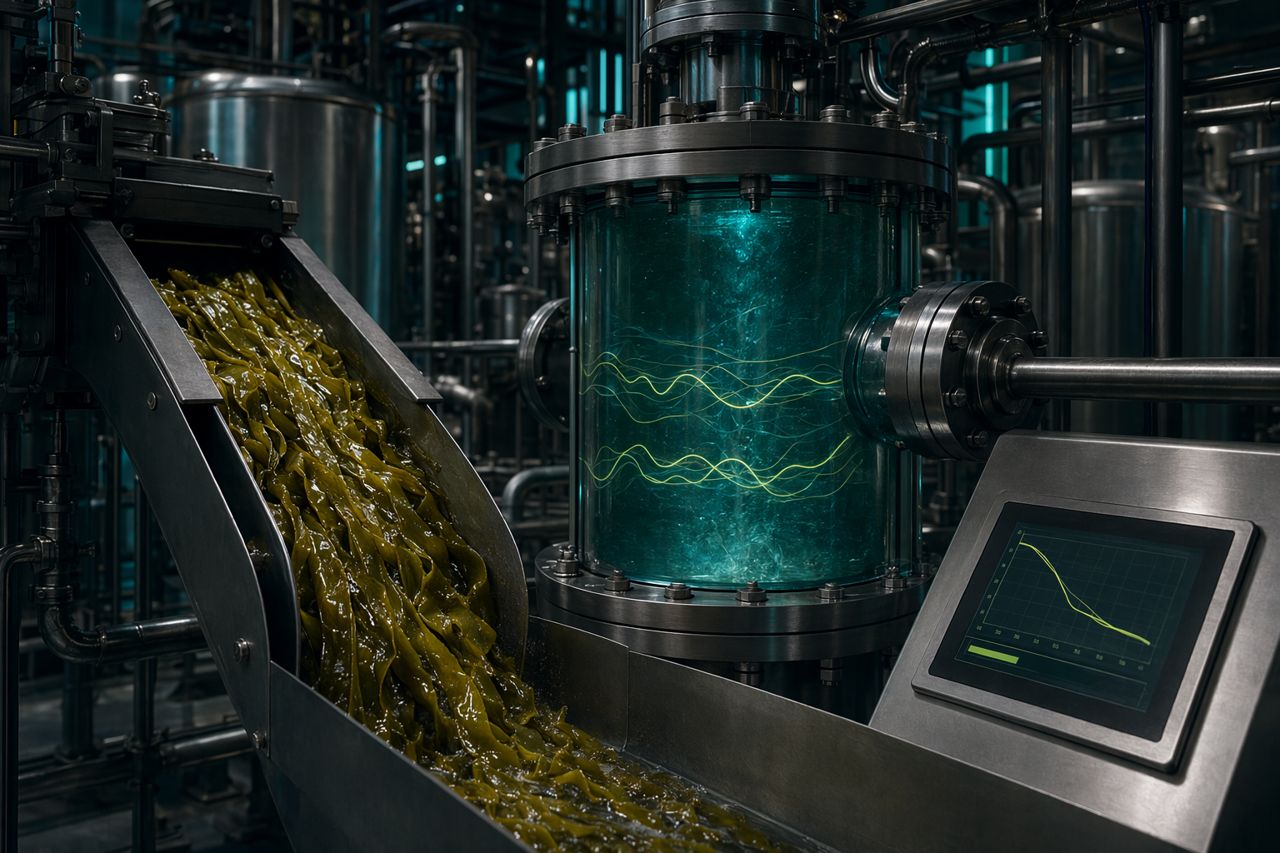
Seaweed extraction is not a single-enzyme problem. Kelp, brown algae, red seaweed and mixed marine biomass can bring tough cell-wall structures, variable minerals, entrained fines, protein-associated haze and viscosity swings into the same production day.
Thalrix supplies enzyme systems for seaweed processing plants that need practical control: faster release of soluble fractions, lower extract viscosity, cleaner separation, improved press cake behavior and ingredient specifications that hold across batches.
If you are looking for an enzyme supplier for seaweed processing, this page maps cellulase, xylanase and protease to the factory questions extraction managers ask before changing a process.
What each enzyme class does in the extraction line
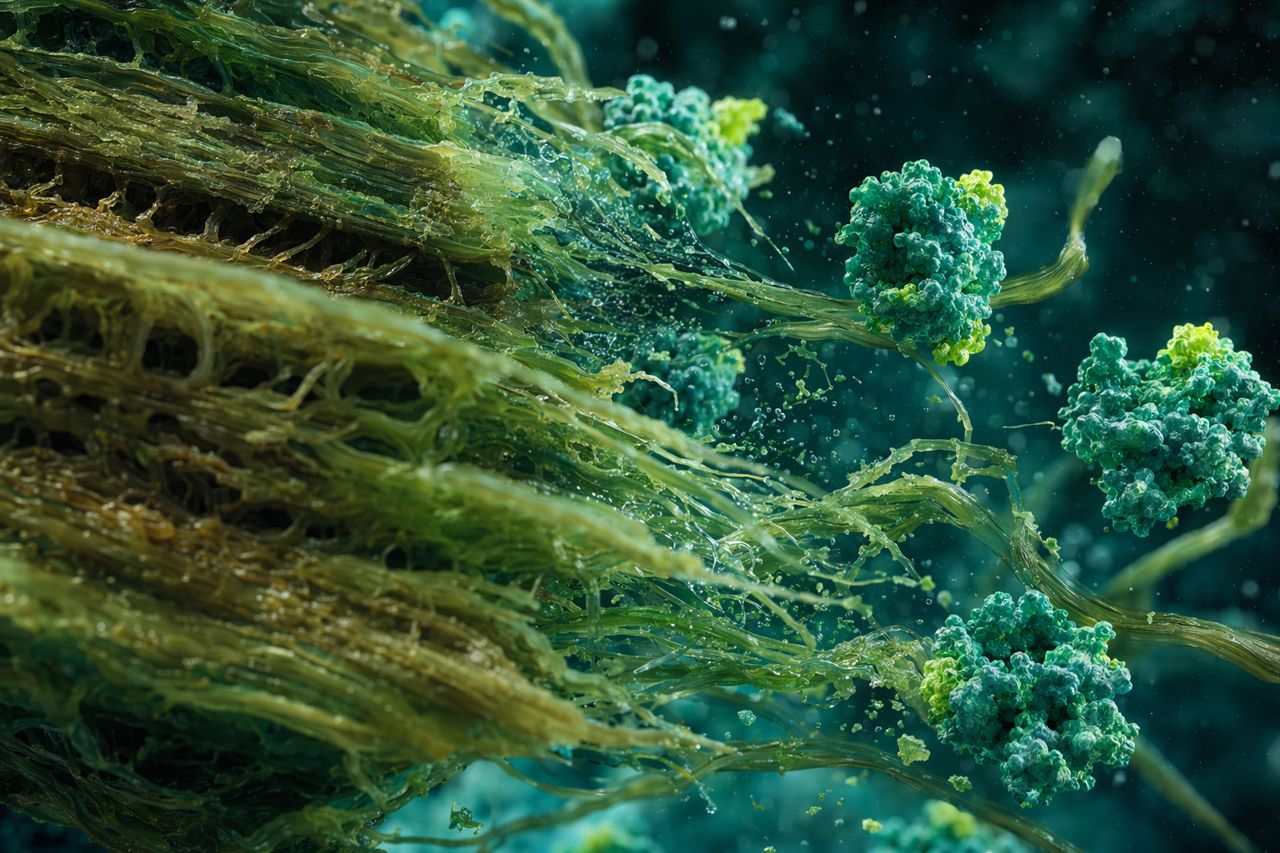
Cellulase: loosen the structural wall without overworking the biomass
Cellulase is commonly used when cellulose-rich plant structure is limiting extraction. In seaweed processing, the value is not academic cell-wall breakdown. The value is plant-floor behavior.
A well-matched cellulase approach can help:
- Open structural barriers so soluble fractions release more efficiently
- Reduce the mechanical load needed to condition biomass
- Improve pumpability after pretreatment
- Support better liquid recovery before final clarification
- Reduce the amount of target material left in wet solids
For extraction managers, cellulase is often the first question when the biomass still behaves like intact ribbons, flakes or fibrous solids after heat, milling or soaking.
Xylanase: manage hemicellulose character in mixed marine biomass
Seaweed feedstock is rarely perfectly uniform. Seasonal harvest, species mix, stem-to-blade ratio and upstream handling can change how the slurry flows and separates. Xylanase is useful when hemicellulose-rich character contributes to viscosity, poor release or stubborn solids behavior.
Xylanase can support:
- More controllable slurry thinning during hydrolysis
- Cleaner passage through screens and decanters
- Reduced drag in tanks, lines and transfer steps
- Improved pressability of conditioned seaweed solids
- More stable separation performance when incoming biomass varies
The goal is not simply to break material down. The goal is to bring the slurry into a processing window where your existing equipment performs predictably.
Protease: reduce protein-associated haze and trapped fines
Protein interactions can hold fines in suspension, contribute to haze and complicate downstream clarification. Protease can be used where protein-associated complexes are interfering with extract clarity, filtration, centrifugation or ingredient appearance.
Protease may help when the process shows:
- Persistent haze after primary separation
- Fine solids that resist settling or clarification
- Protein-linked material carrying over into extract
- Variable color, clarity or specification drift
- Wet solids that retain extract because the matrix is not releasing cleanly
A protease route should be selected carefully around product goals. Thalrix focuses on controlled hydrolysis that improves handling and clarity without pushing the extract away from the intended specification.
Match the enzyme to the factory question
If the question is release
Cellulase is usually evaluated first when intact cellular structure is blocking soluble fraction recovery. It can help reduce the gap between what is present in the biomass and what is recovered in the liquid stream.
If the question is viscosity
Xylanase can be useful where mixed polysaccharide behavior is making the slurry heavy, stringy or difficult to move. Lower viscosity can improve heat transfer, pumping, blending and separation.
If the question is clarity
Protease can support cleaner extract when protein-associated haze or suspended fines are limiting clarification. This is especially relevant when extract appearance and downstream filtration load are commercial constraints.
If the question is press cake behavior
Cellulase and xylanase can both influence how conditioned seaweed solids release liquid. The right balance can improve dewatering behavior and reduce target carryover in cake.
If the question is consistency
A combined enzyme strategy may be appropriate when feedstock variation is the real problem. Thalrix helps plants define a controllable route rather than chasing each batch with ad hoc corrections.
Practical selection criteria for seaweed extraction plants
Thalrix recommendations start with the realities of your line:
- Seaweed species or species mix
- Fresh, frozen, dried, milled or rehydrated feedstock condition
- Pretreatment method and severity
- Tank configuration and mixing limits
- Temperature profile and acceptable process window
- pH window and downstream neutralization constraints
- Residence time available before separation
- Screening, pressing, decanting, centrifugation or filtration setup
- Target extract specification for clarity, viscosity, solids and composition
- Constraints around labeling, process aids and regional compliance
This approach keeps the enzyme decision tied to commercial output: throughput, yield, separation performance and repeatable ingredient quality.
Where Thalrix enzymes can fit
A seaweed extraction route may use enzymes at several points, depending on plant layout.
After washing and size reduction
Enzymes can be introduced once biomass is hydrated and accessible. This is often where cellulase and xylanase contribute to improved release and easier slurry movement.
During controlled extraction
A defined hydrolysis hold allows the plant to manage viscosity and soluble fraction release before separation. This is where process control matters most.
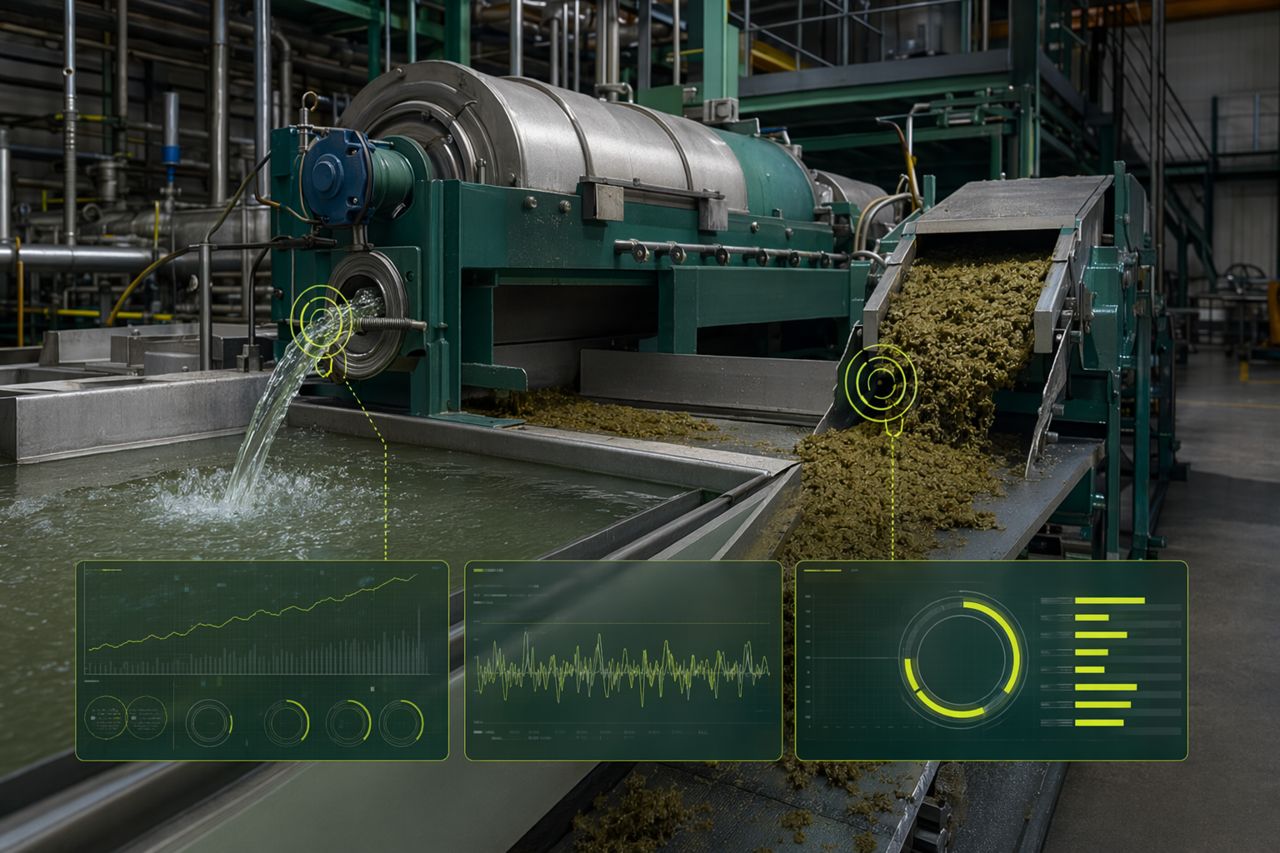
Before pressing or centrifugation
When solids handling is the bottleneck, enzyme conditioning can help the slurry separate more cleanly and reduce extract trapped in the cake.
Before clarification or polishing
Protease can be considered where haze, fine carryover or protein-linked suspension affects extract quality and downstream load.
Why seaweed processors work with Thalrix
Thalrix is built for industrial buyers who need more than a catalog enzyme name. We help translate biomass behavior into an enzyme selection that can run on real equipment.
You can expect:
- Clear enzyme-class recommendations tied to your process goal
- Practical guidance for trial planning and plant evaluation
- Support for single-enzyme and blended-enzyme approaches
- Focus on viscosity, separation, solids handling and specification control
- Commercial supply discussions aligned with production scale
Typical use cases
Thalrix cellulase, xylanase and protease systems may be evaluated for:
- Kelp extract production
- Brown seaweed soluble fraction recovery
- Seaweed hydrolysate manufacturing
- Alginate-adjacent process streams where viscosity control is critical
- Marine biomass valorization from press cake or side streams
- Clarification support for seaweed-derived ingredient streams
- Process improvement in existing extraction plants
Build a controlled enzyme route for your seaweed line
Tell us what your line is struggling with: slow extraction, heavy viscosity, poor separation, wet cake, haze, filter loading or batch-to-batch specification drift. Thalrix will review your feedstock, process window and equipment setup, then recommend a practical cellulase, xylanase, protease or blended route.
Request a quote
Use the on-site form to request pricing and technical fit guidance for your seaweed extraction process. Include your seaweed type, current extraction method, target output, key bottleneck and expected production scale so our team can respond with a focused recommendation.