Agar Plant Quality KPIs: Gel Strength, Color, Clarity and Yield
Agar extraction is not a single-number game. A high-yield run can still miss the mark if the gel is weak, the color is too dark, the liquor is hard to clarify, or the final powder drifts outside customer specifications.
For extraction managers, the practical target is a balanced operating window: release more soluble agar from seaweed biomass while protecting the structure that delivers premium gel performance. That balance is what separates commodity output from dependable food, microbiology and industrial agar streams.
Thalrix supports agar processors with enzyme solutions built for plant-floor realities: controllable hydrolysis, reduced process viscosity, cleaner separation, improved solids handling and repeatable ingredient quality. If you are evaluating an enzyme supplier for seaweed processing, the right discussion starts with your KPIs, not a generic enzyme list.
The KPI stack that matters in an agar plant
Agar quality is shaped across raw material preparation, alkaline treatment, extraction, clarification, concentration, gel setting, pressing, drying and milling. The KPIs below should be managed together because each one pulls on the others.
| KPI | Why it matters commercially | What usually moves it |
|---|---|---|
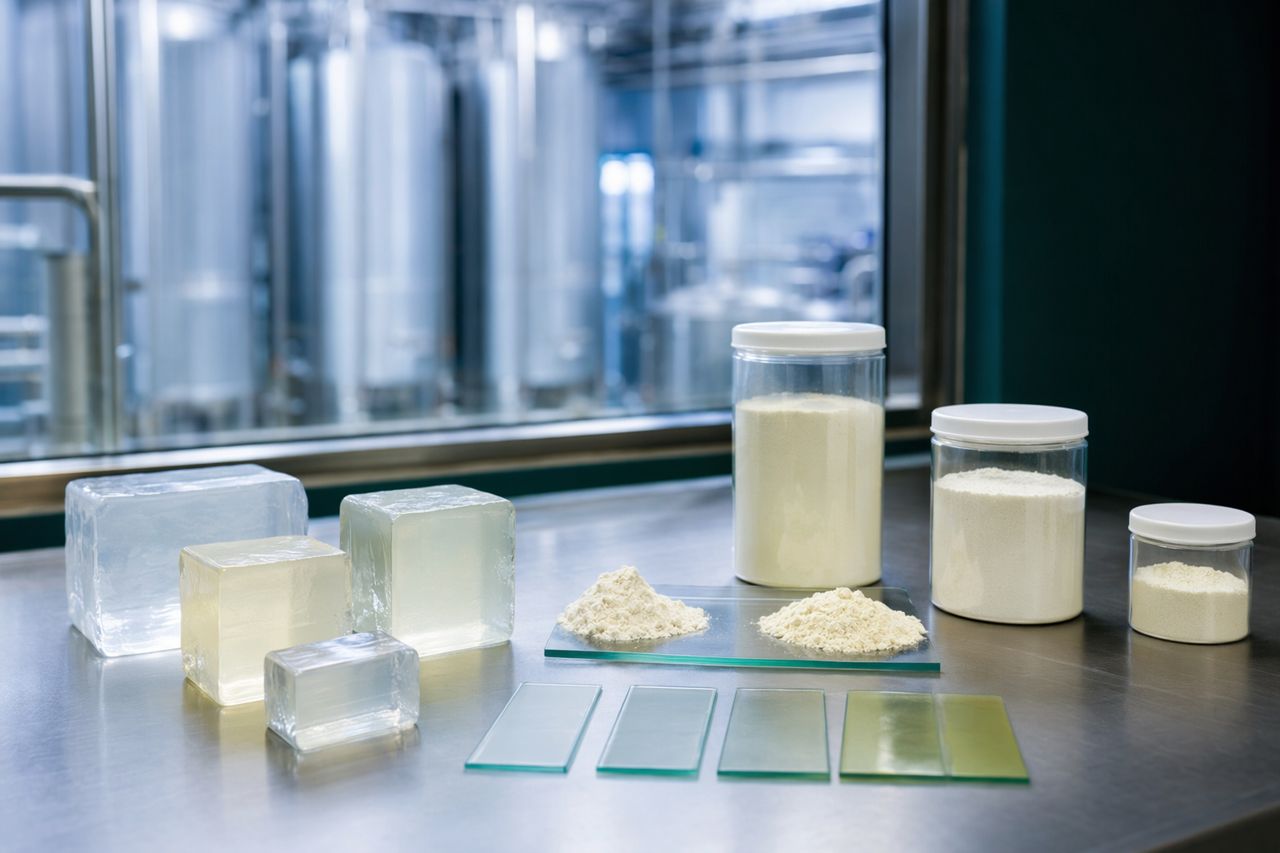
| Gel strength | Drives grade, application fit and price realization | Seaweed species, pretreatment severity, extraction conditions, polymer preservation |
| Color | Affects food and specialty acceptance | Pigment load, washing, bleaching strategy, thermal history, filtration quality |
| Clarity | Critical for microbiology media and premium food uses | Fine solids removal, colloidal load, liquor viscosity, carbon or polishing steps |
| Yield | Determines extraction economics and raw material utilization | Cell-wall opening, extraction completeness, loss control, recovery efficiency |
| Viscosity | Controls pumping, heat transfer, filtration and centrifuge behavior | Solids load, partial solubilization, hydrolysis control, temperature profile |
| Ash and mineral profile | Influences specification compliance and downstream behavior | Washing, alkali handling, water quality, carryover control |
| Moisture and particle consistency | Affects shelf stability, blending and customer handling | Pressing, drying uniformity, milling and screening control |
The best plants do not chase one KPI in isolation. They define an acceptable range for each output stream and tune process conditions to hold that range across changing seaweed lots.
Gel strength: protect the value driver
Gel strength is the KPI most likely to define grade and selling price. In agar production, more extraction is only valuable if the recovered fraction still forms the target gel.
Common plant-floor risks include:
- Excessive thermal or chemical severity that increases solubles but damages gel-forming performance
- Inconsistent seaweed lots that require different extraction windows
- Over-processing during liquor handling, concentration or rework
- Fine suspended material that interferes with clean gel appearance and testing repeatability
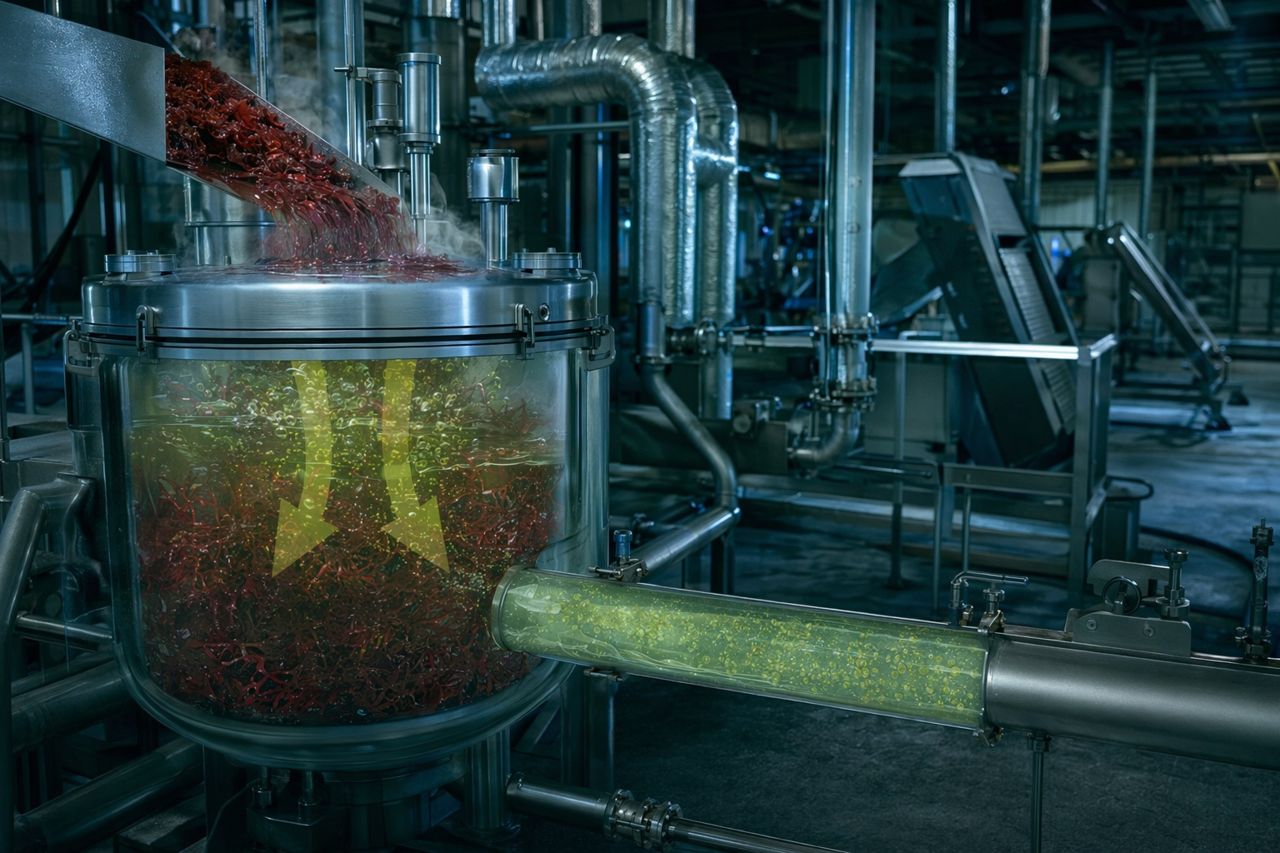
A controlled enzyme pretreatment can help open seaweed structure before or around extraction, improving accessibility without relying only on harsher mechanical, thermal or chemical force. The goal is not uncontrolled breakdown. The goal is selective assistance: better release, better flow and less stress on the fraction that carries gel value.
Color: reduce defects before they become rework
Color problems are expensive because they often show up late. Once dark color bodies move into the agar liquor, plants may need extra polishing, stronger bleaching or more blend correction.
Practical color control starts upstream:
- Sort and wash seaweed consistently before extraction
- Keep sand, shell and degraded biomass out of the process
- Avoid unnecessary residence time under harsh conditions
- Reduce carryover of fine solids that drag pigments and minerals forward
- Use clarification steps before color defects are concentrated
Enzyme-assisted processing can support color control when it helps loosen the biomass matrix and improve separation of unwanted solids from the valuable liquor. Cleaner separation early usually means less correction later.
Clarity: where viscosity and solids handling meet
Clarity is not just an optical result. It is a process performance signal. Cloudy liquor often points to fine particulates, colloidal material, overloaded screens, poor centrifuge balance or filtration stress.
When liquor viscosity is high, every separation step becomes harder:
- Screens blind faster
- Centrifuges carry more fine material forward
- Filter aids are consumed less efficiently
- Heat transfer becomes less predictable
- Operators compensate with dilution, longer cycles or rework
A well-designed enzymatic step can reduce process viscosity and improve solids handling, especially when macroalgal tissue is difficult to open consistently. That can give the plant more controllable clarification before concentration locks in defects.
Yield: higher recovery is only useful when it stays in spec
Yield matters. Raw seaweed cost, seasonal availability and extraction capacity all push plants to recover more agar from every lot. But yield gains must be measured against quality cost.
A practical yield discussion should include:
- How much additional soluble material is recovered
- Whether gel strength remains within grade target
- Whether color and clarity stay saleable without excessive polishing
- Whether cycle time improves or slows down
- Whether separation losses are reduced
- Whether downstream drying and milling remain stable
The strongest yield programs are built around net value per seaweed lot, not maximum extraction at any cost.
Enzyme use in agar plants: where it can add value
In agar production, enzymes are most useful when they improve the physical behavior of the process and the consistency of extraction. They may be applied to support:
1. Seaweed tissue opening
Targeted pretreatment can help open red seaweed biomass, improving access to soluble agar fractions and reducing dependence on severe extraction conditions.
2. Viscosity management
Lower and more predictable liquor viscosity can improve pumping, mixing, heat transfer and filtration behavior. This is especially important when seaweed lots vary in hydration, maturity and mineral load.
3. Cleaner solid-liquid separation
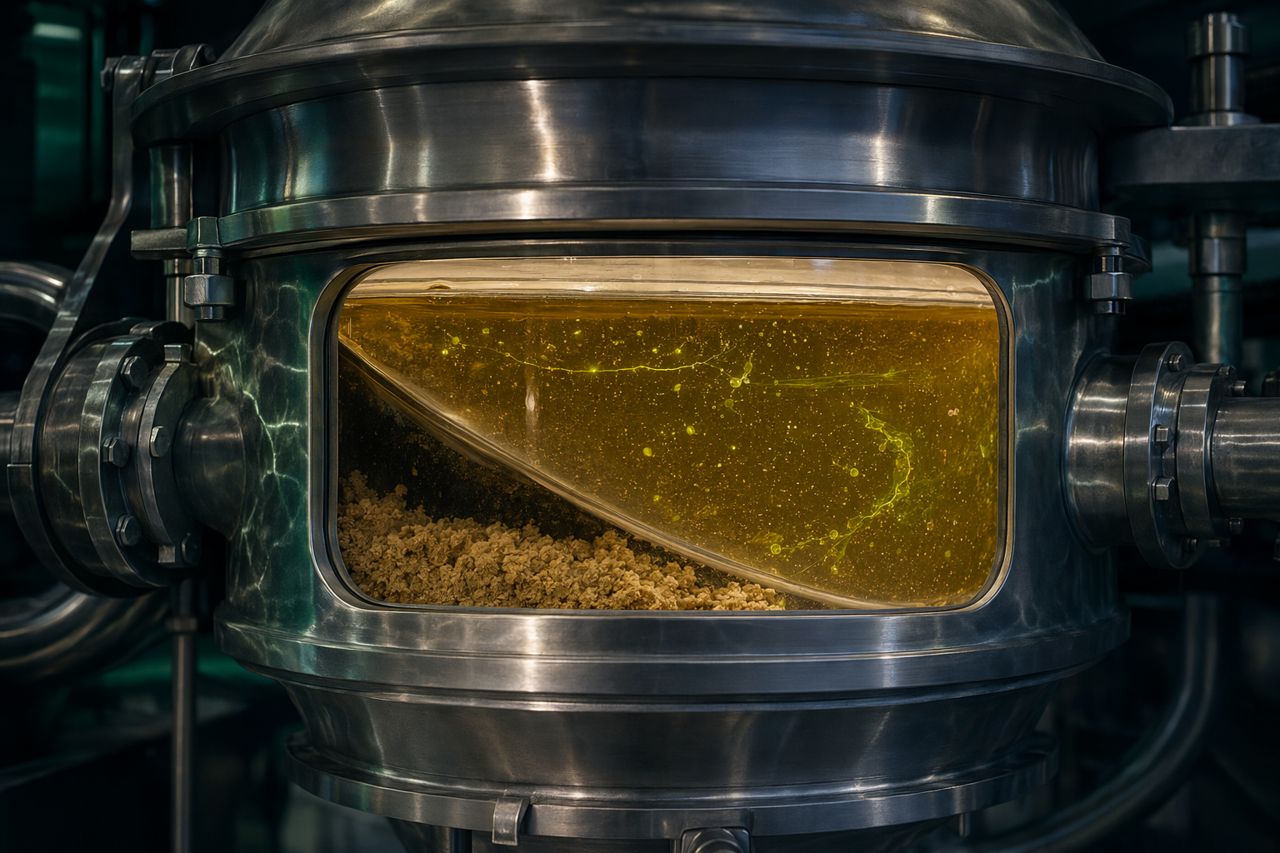
Better disintegration of non-valuable matrix material can improve screen, press, centrifuge or filter performance, reducing carryover and supporting clearer liquor.
4. Lot-to-lot control
Seasonal seaweed variability is unavoidable. Enzyme programs can be tuned into the plant’s operating window so managers have another lever when raw material changes.
5. Reduced rework pressure
When upstream release and separation are more controlled, plants can reduce late-stage correction for color, haze, filtration slowdown or off-spec texture.
Building a KPI control plan
Agar plants should align production, QA and commercial teams around a simple KPI control plan for each target grade.
Define the grade window
Separate food, microbiology and industrial streams by required gel performance, color, clarity, mineral profile, moisture and particle behavior. Do not force one process target across all products.
Map where each KPI is created or lost
Gel strength may be protected during extraction. Color may be lost during poor washing or excessive heat exposure. Clarity may be won or lost at screening and centrifugation. Yield may be lost through wet solids, filter cake and rework.
Track process behavior, not only final powder
Useful plant-floor signals include extraction liquor viscosity, separation rate, filter loading, wet cake condition, turbidity trend, color trend, concentration behavior and drying consistency.
Trial one lever at a time
When testing an enzyme solution, avoid changing multiple process variables at once. Keep raw material lot, temperature profile, residence time, dilution and separation setup as stable as possible so the value can be measured clearly.
Measure net commercial value
A successful program should show value through some combination of improved yield, reduced viscosity, faster separation, lower rework, more stable grade compliance or better throughput. The right result depends on the bottleneck inside your plant.
Common trade-offs extraction managers face
More extraction versus stronger gel
Higher extraction severity can lift recovery but may reduce premium gel performance. Enzyme-assisted accessibility can help widen the operating window when tuned correctly.
Lighter color versus chemical cost
Aggressive color correction can increase cost and handling complexity. Upstream removal of pigments and fine solids is often more efficient than late correction.
Clearer liquor versus slower filtration
Fine filtration can improve clarity but reduce throughput. Lower viscosity and better upstream solids management can make polishing steps more productive.
Higher solids concentration versus pumping stability
Concentrating faster saves energy and time only if the liquor remains manageable. Viscosity control supports more predictable evaporation, transfer and downstream forming.
What to ask when selecting an enzyme supplier for seaweed processing
For agar plants, supplier fit is not just about catalog breadth. The supplier should understand how seaweed behaves in tanks, screens, pipes, presses and centrifuges.
Ask:
- Can the enzyme program be matched to our agar grade targets?
- How will the treatment affect viscosity, separation and liquor clarity?
- Can it support yield without compromising gel strength?
- How should we structure a plant trial around our existing equipment?
- What process data should we capture to prove commercial value?
- Can the solution handle seasonal seaweed variability?
- Is the program practical for our residence time, temperature profile and cleaning schedule?
Thalrix works from the operating problem backward: bottleneck, grade target, raw material profile and economic value. That keeps enzyme selection tied to production outcomes rather than theoretical performance.
From KPI drift to controlled extraction
Agar plants operate in a tidal supply chain. Seaweed quality shifts. Mineral load shifts. Pigment load shifts. Moisture shifts. The process must be resilient enough to keep product specifications steady while protecting throughput.
When gel strength, color, clarity and yield are managed together, enzyme technology becomes a practical control lever. It can help the plant open biomass more consistently, move liquor more cleanly and recover value with less quality drift.
Request a quote
Planning an agar extraction trial or looking to improve yield, viscosity control, clarification or grade consistency? Request a quote through the on-site contact form. Thalrix will review your seaweed type, process conditions, bottleneck and target specifications, then recommend a practical enzyme solution for your plant.